Category: Gear & Buying Guides
-
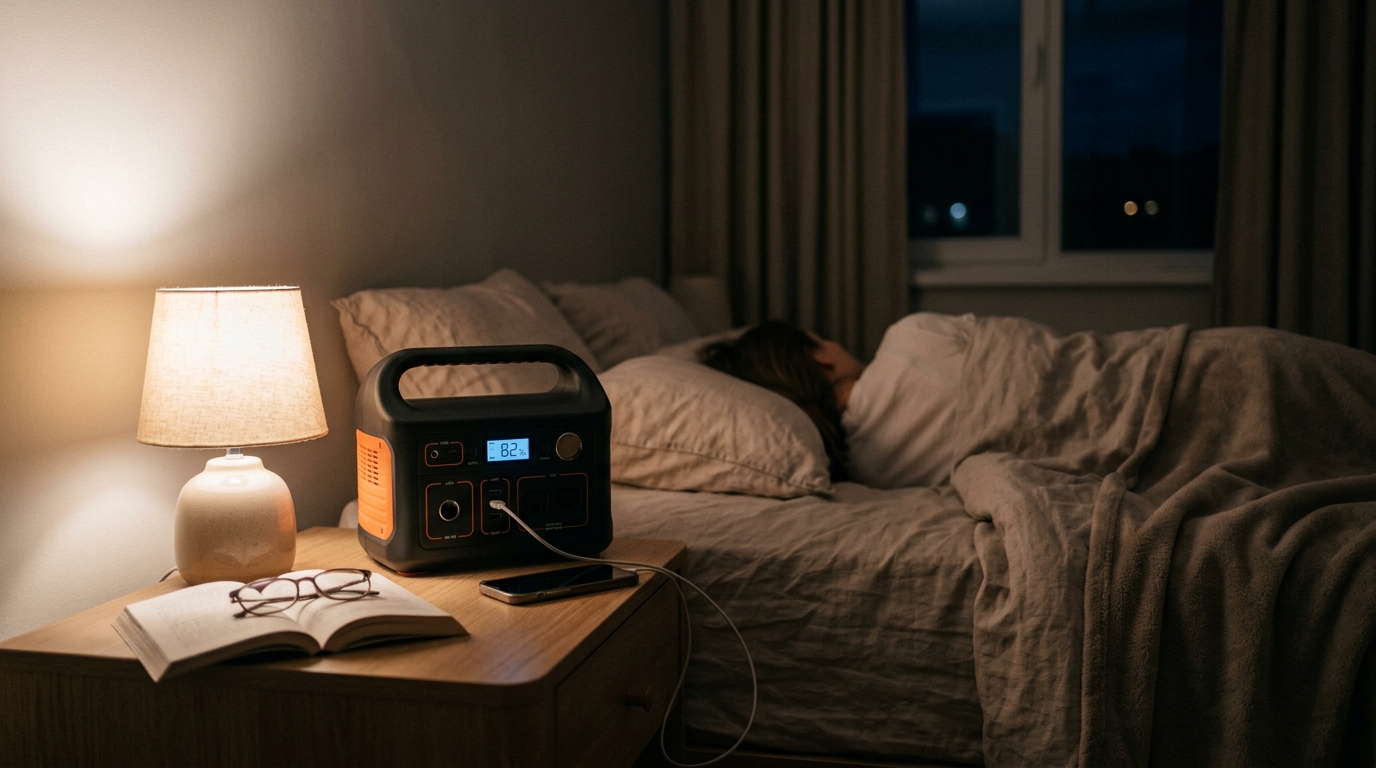
If you’re planning to run a CPAP overnight or keep your home office running through a video call, noise is a spec that matters a lot more than most buying guides treat it — and “portable power station” doesn’t automatically mean “silent,” even though the marketing photos suggest otherwise. Where the Noise Actually Comes From…
-
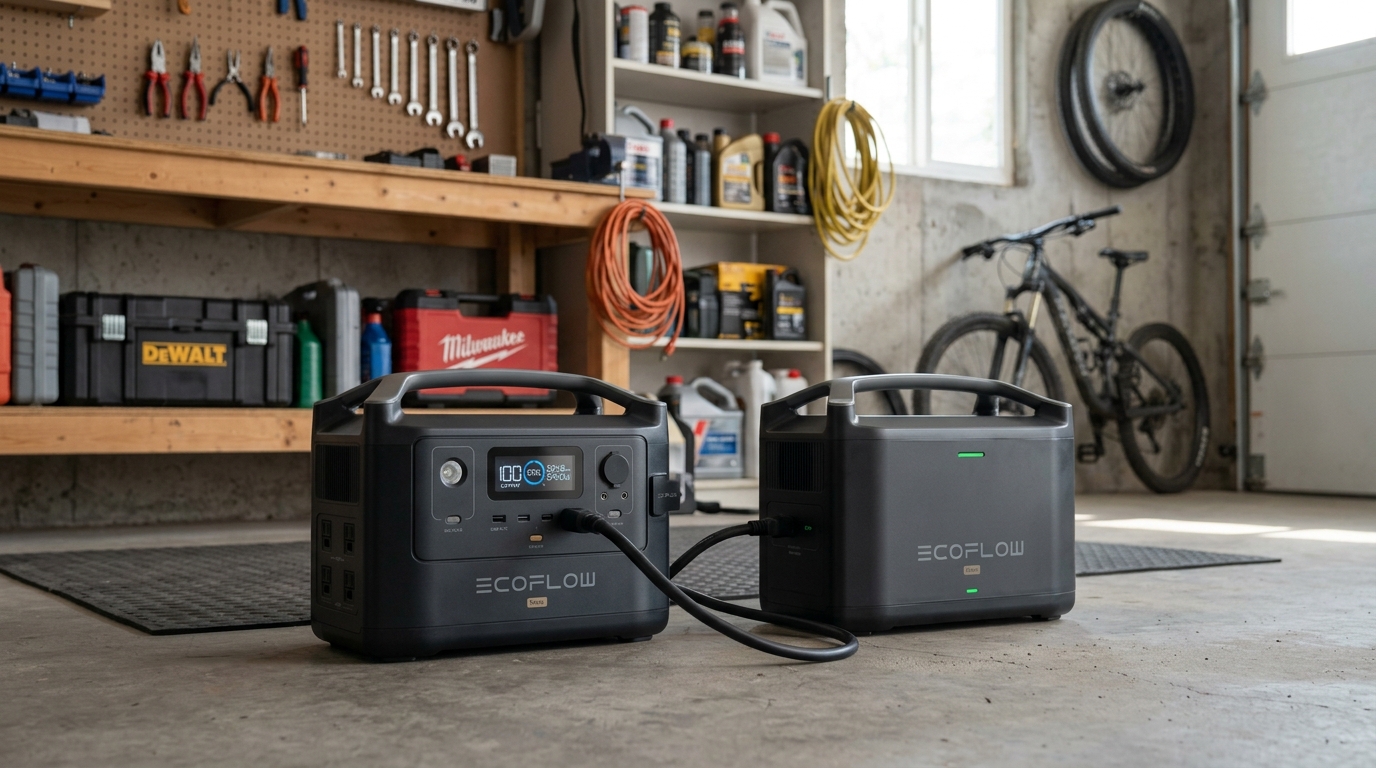
We’ve referenced expandable batteries a few times throughout this series as the answer to “what if one power station isn’t enough capacity.” It’s worth actually running the numbers on whether that’s true, because the marketing pitch — “just add a battery instead of buying a bigger unit” — isn’t always the cheaper path it sounds…
-
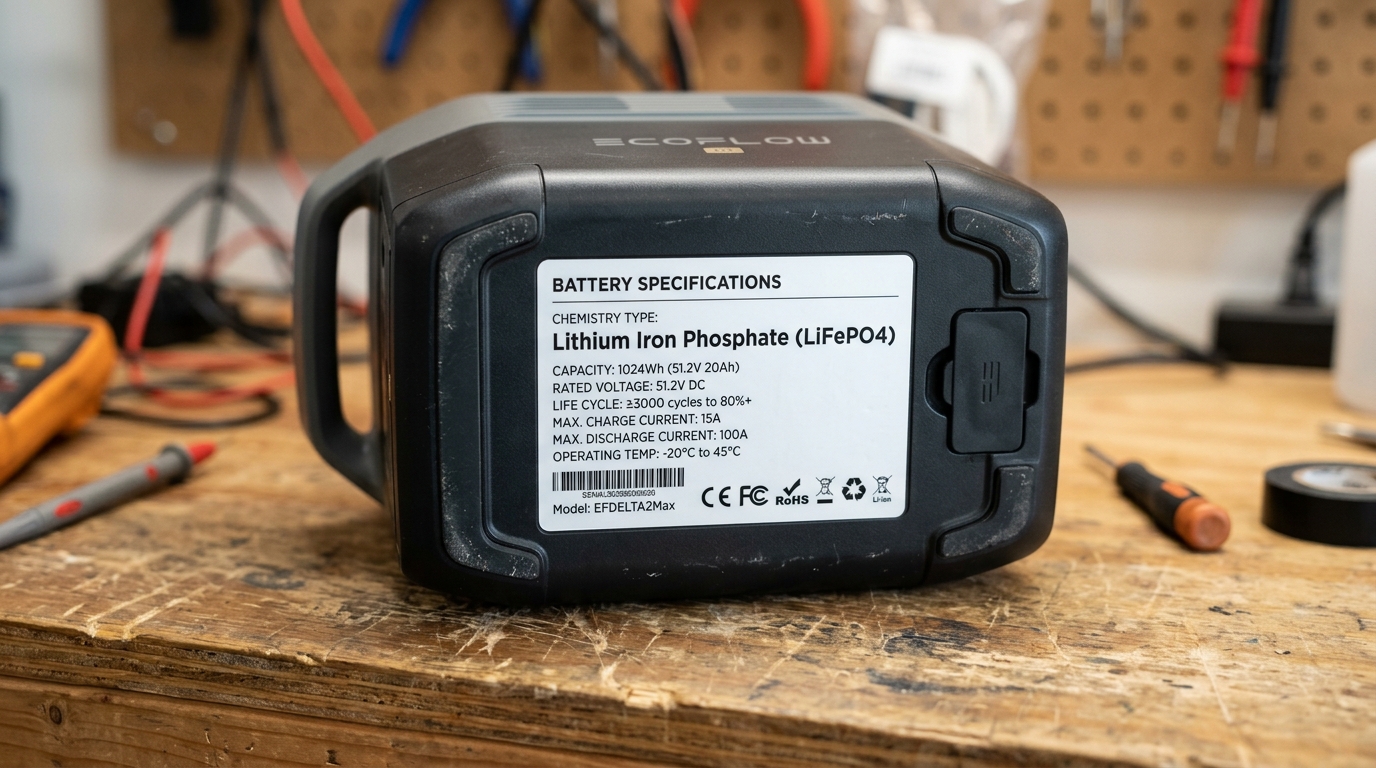
Most LiFePO4 vs lithium-ion comparisons are written for RV owners and daily campers, where cycle count is the whole story. If your power station is mostly going to sit in a closet waiting for an outage, the calculus is genuinely different — and it’s worth understanding before you pay a premium for a spec that…
-
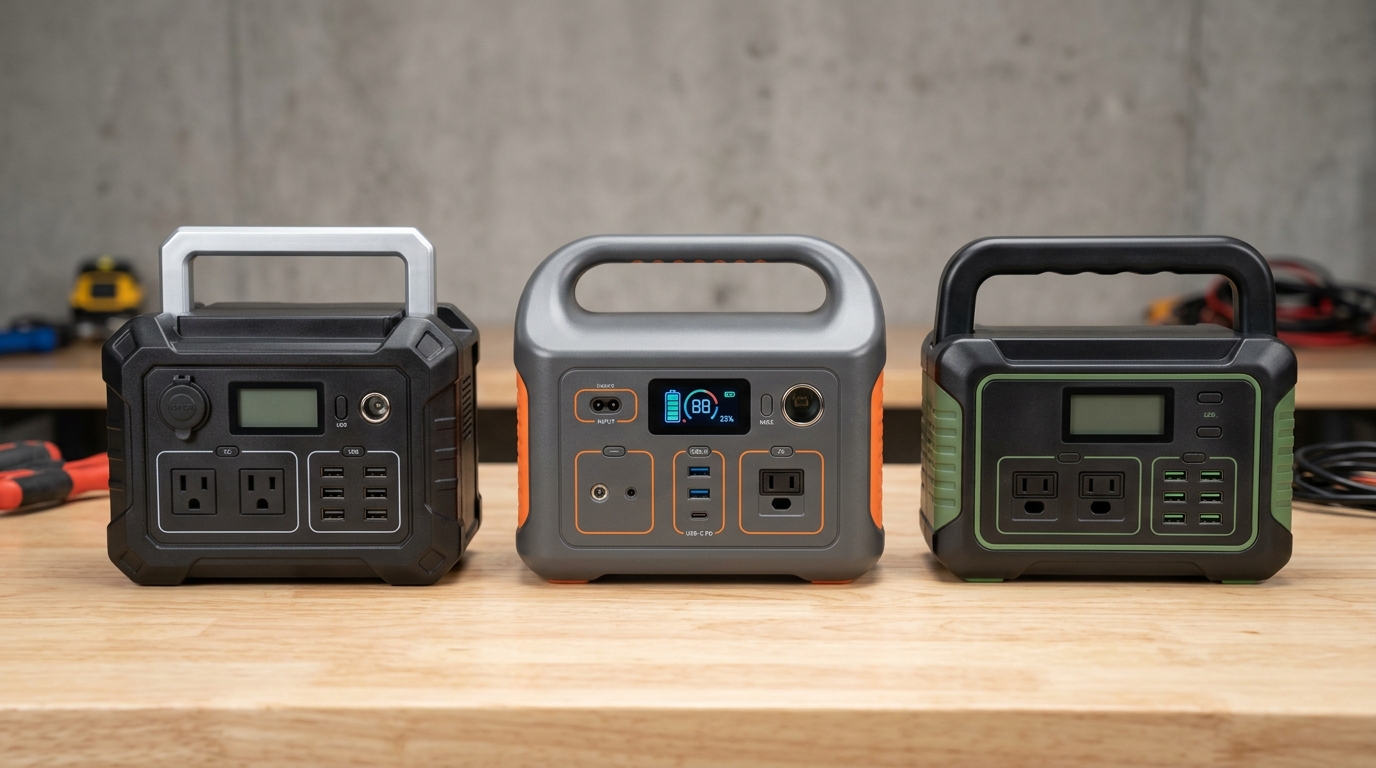
We’ve referenced a “1000Wh-class power station” throughout this series without picking a specific model, because the underlying math — inverter efficiency, runtime per watt, solar recharge — holds roughly true across brands. But when you’re actually buying one, the differences between the three biggest names in this space are real and worth knowing, especially around…
-
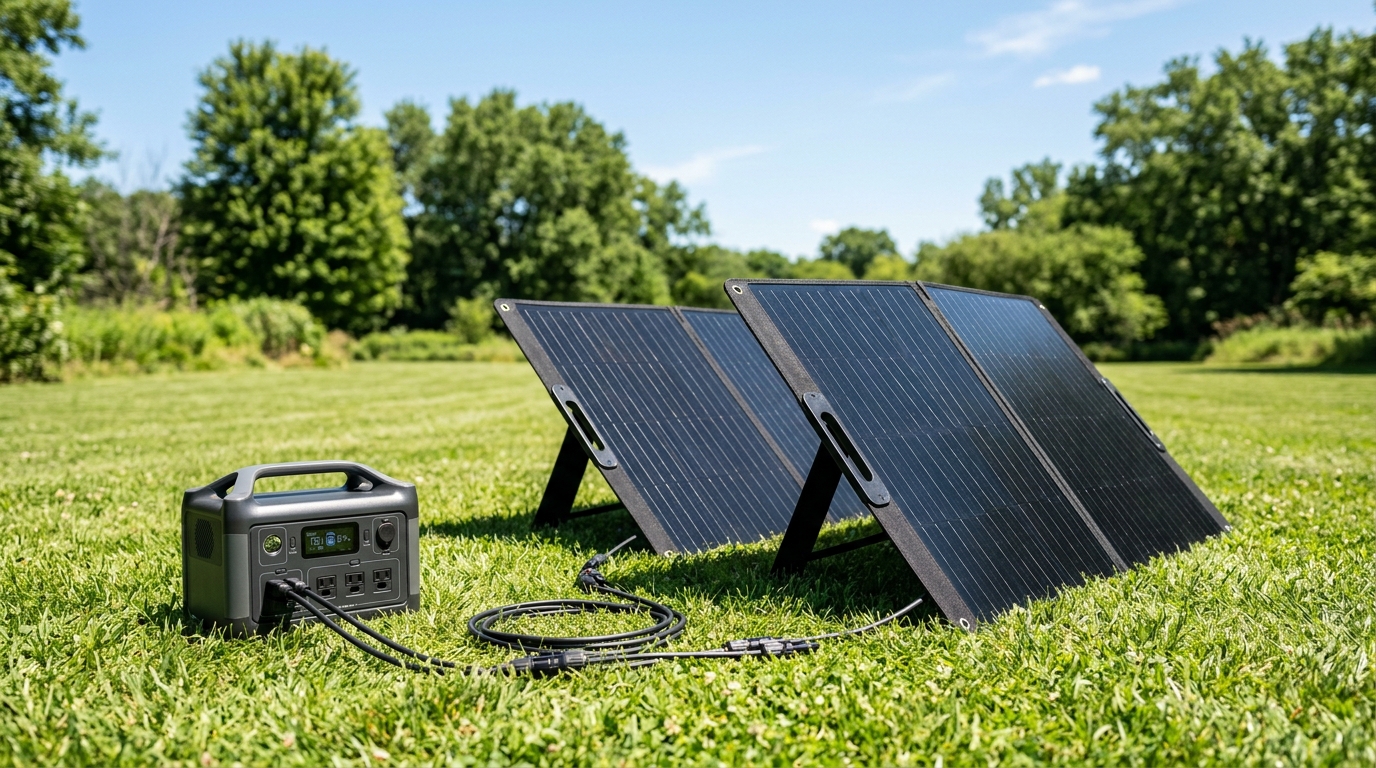
If you’ve read our balcony solar guide, you know a portable solar panel is the real way to recharge a power station during a multi-day outage. But there’s a number almost every product listing gets you to calculate wrong, and it’s worth fixing before you buy — because “1000Wh ÷ 200W = 5 hours” is…
-
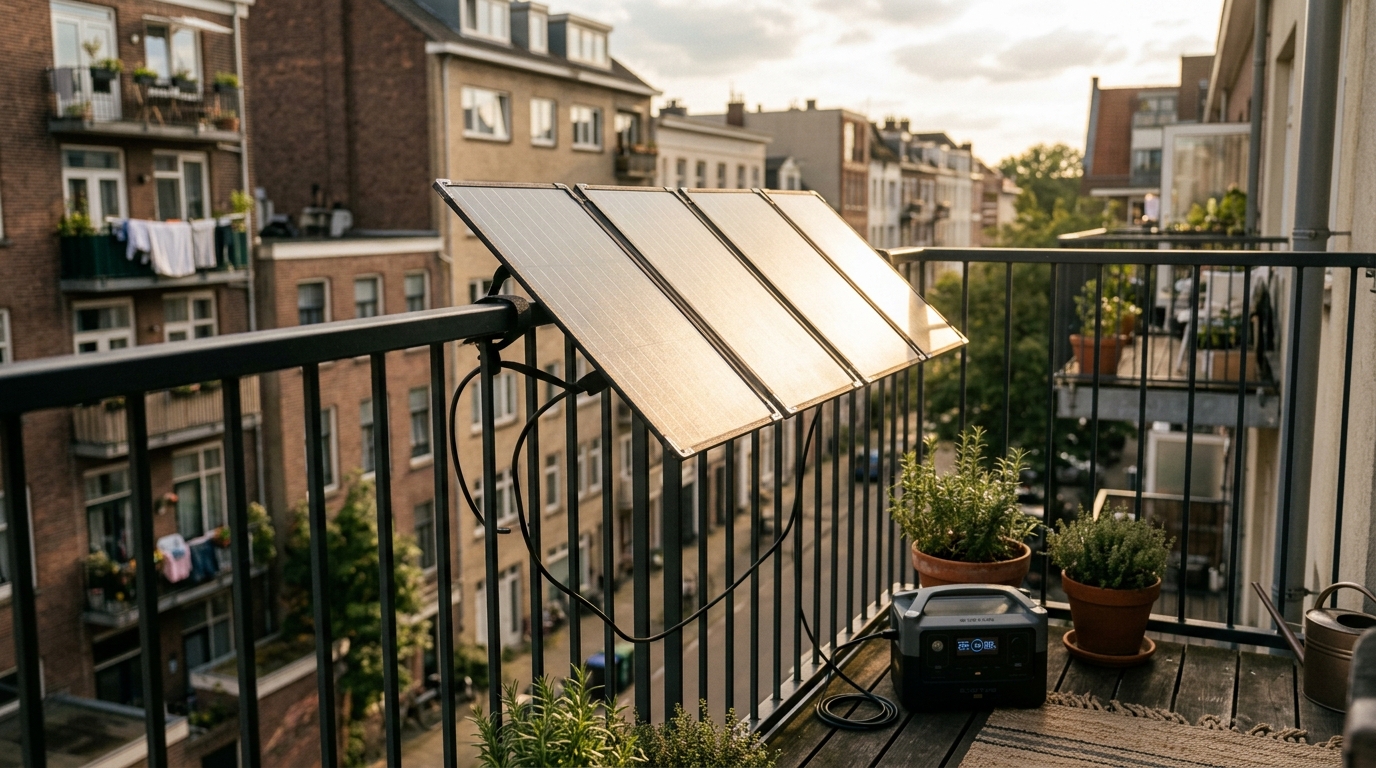
Our power station sizing chart landed on an honest conclusion: for anything beyond a single day of light use, you’re not really solving a multi-day outage with a bigger battery alone — you need a way to recharge. For renters, “solar” sounds like it should be the answer. But there’s a mix-up hiding in that…